
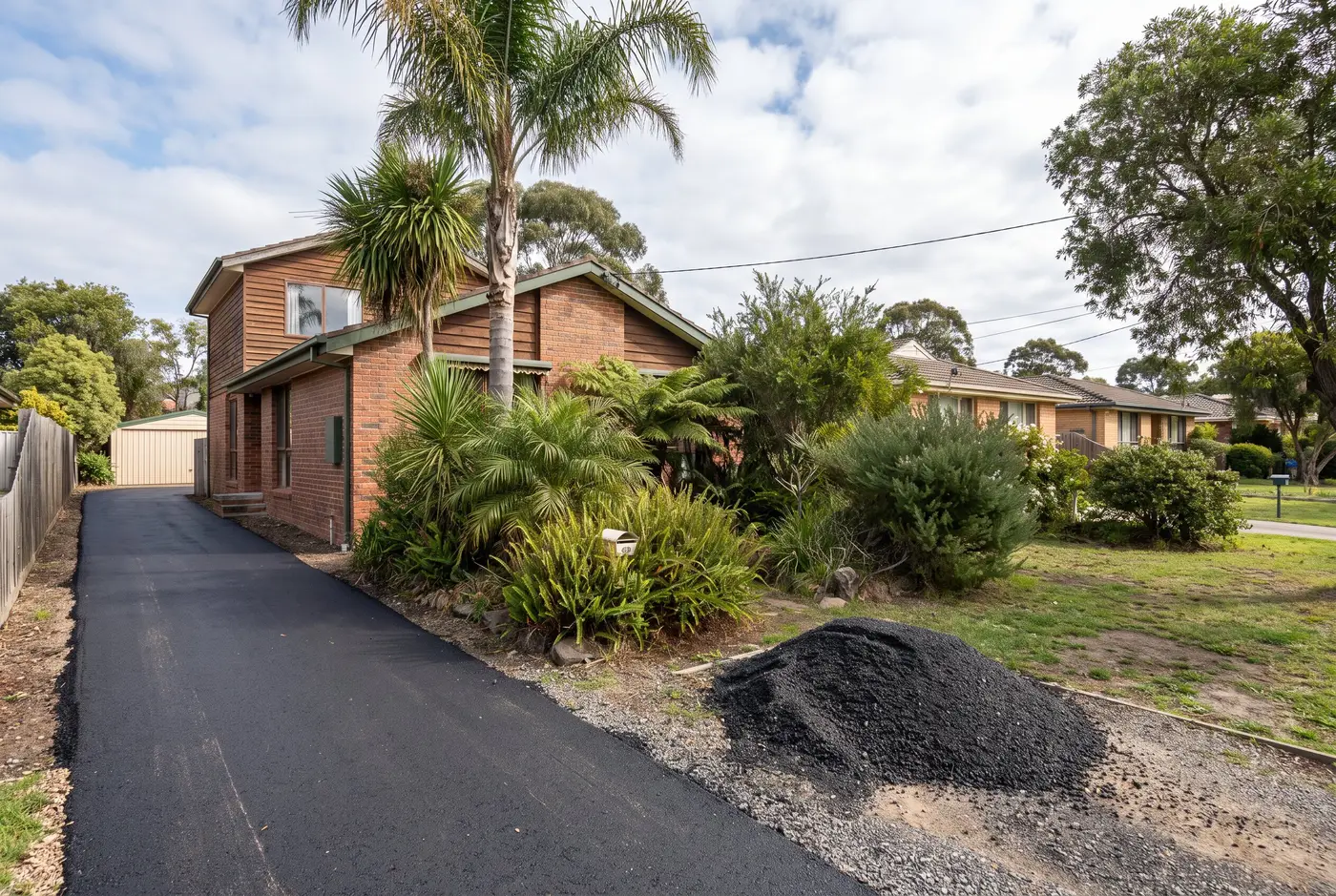
Bitumen driveways have genuine environmental advantages, high recyclability and long service life among them, alongside real trade-offs like heat absorption. A balanced view helps you weigh them against other surface options.
Bitumen has been a popular choice for residential and commercial driveways for decades, largely because it is durable and reasonably priced. Its environmental footprint gets less attention, and the picture is genuinely mixed: there are real advantages, but also trade-offs worth knowing about before you commit to a bitumen driveway.
Recycling and reuse
One of the strongest points in bitumen's favour is how reusable it is. Old asphalt can be reclaimed, milled up and mixed with new bitumen and aggregate to produce recycled asphalt pavement (RAP), which is then used in new paving projects. This reduces demand for fresh raw material and keeps old pavement out of landfill.
Recycled asphalt pavement is now widely used across Australian road and driveway projects, and reputable contractors can tell you whether RAP forms part of the mix they are proposing for your job.
Production and energy use
Bitumen generally requires lower processing temperatures than some alternative paving materials, which can translate to a smaller energy footprint during manufacturing. That said, the exact figures vary by supplier, mix design and how far materials travel to reach your site, so it is worth asking a contractor about the specifics rather than assuming every bitumen driveway is produced the same way.
Longevity and reduced waste
A well-built bitumen driveway commonly lasts 15 to 20 years with proper maintenance, and that longevity matters environmentally. Fewer replacements over a property's lifetime means less material manufactured, transported and installed overall.
Bitumen is also relatively straightforward to repair. Cracks and potholes can usually be patched locally rather than requiring the whole driveway to be dug up and relaid, which extends the working life of the existing surface and reduces the amount of new material needed.
Drainage and water management
Standard bitumen driveways are not permeable, so rainwater runs off the surface rather than soaking through it, the same as with concrete or pavers. Porous asphalt formulations do exist and allow water to drain through the surface into the base below, which can help reduce runoff and support groundwater recharge, but they are a specific product choice rather than a feature of every bitumen driveway.
If drainage and runoff are a priority for your property, particularly given how intense Brisbane's storm season can be, it is worth asking your contractor directly whether a permeable option suits your site, or whether good grading and drainage channels on a standard surface will do the job.
A trade-off worth knowing: heat absorption
Dark surfaces like bitumen absorb and hold heat, which is a genuine downside in a subtropical climate like Brisbane's. On hot days a bitumen driveway can get noticeably warmer underfoot than lighter-coloured paving, and across a suburb this effect contributes to the broader urban heat island seen in built-up areas. Tinted or lighter-coloured surface coatings can soften this to some degree, but it is a real consideration rather than something to dismiss.
Weighing it up
Bitumen driveways offer real environmental positives, high recyclability, relatively efficient production and long service life among them, alongside trade-offs like heat retention and limited natural permeability unless you specifically choose a porous mix. None of that makes bitumen automatically better or worse than concrete, pavers or gravel. It depends on your site, your priorities and how the driveway is installed and maintained over time.
Frequently asked questions
Is bitumen actually recyclable?
Yes. Old bitumen can be reclaimed and reused as recycled asphalt pavement (RAP) in new paving projects, reducing the amount of fresh raw material needed.
Does a bitumen driveway make my property hotter?
Dark bitumen does absorb more heat than lighter surfaces, particularly in direct sun. Lighter or tinted coatings can help, though they will not eliminate the effect entirely.
Can rainwater drain through a bitumen driveway?
Standard bitumen is not permeable. Porous asphalt products exist and can be discussed with your contractor if drainage is a priority for your site.
How does bitumen's environmental impact compare to concrete?
Both have trade-offs. Bitumen is generally quicker and less energy-intensive to produce and easier to patch, while concrete can last longer between major works and reflects more heat. The best choice depends on your site and priorities.
If you are weighing up surface options for a new or replacement driveway, our specialists can talk you through the practical and environmental trade-offs for your property, or get in touch directly to ask a question.