
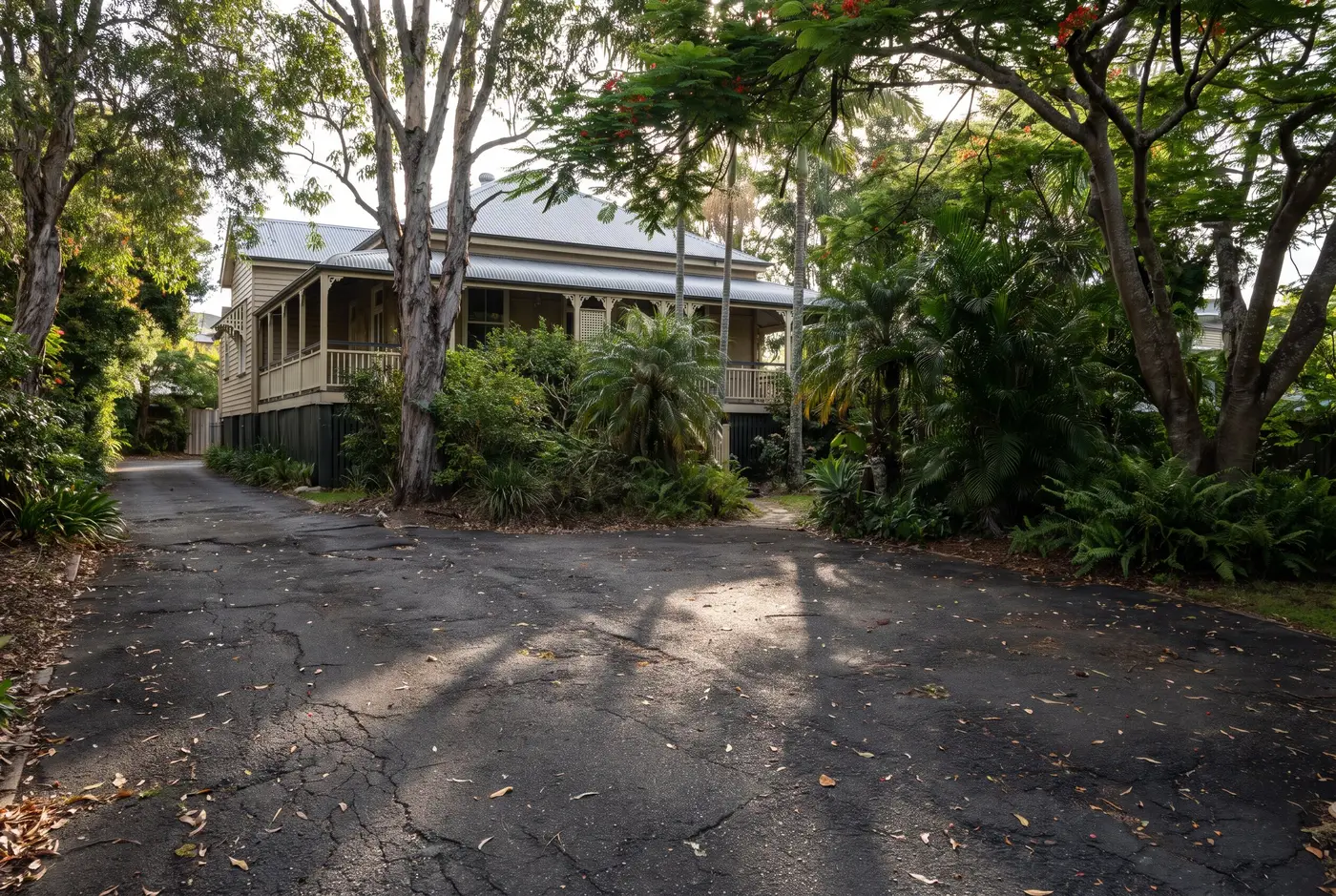
A well-installed bitumen driveway commonly lasts 15 to 20 years in Brisbane, and can run longer with good drainage, regular sealing and prompt repair of small cracks.
If you are planning a bitumen driveway, one of the first questions worth asking is how long it will actually last. Driveways are a significant investment, and it is reasonable to want a surface that holds up rather than needing attention again in a few years.
The short answer: bitumen has a strong track record for durability, low maintenance and value for money compared with other materials. Exactly how long yours lasts depends on a handful of factors that are largely within your control.
What's the typical lifespan?
On average, a bitumen driveway lasts 15 to 20 years, and can run longer with good installation and consistent care. That makes it a practical choice for homeowners who want a durable surface without the higher upfront cost of concrete.
Bitumen, sometimes called asphalt, handles heavy traffic and harsh weather well by design. Even so, no driveway lasts forever, and understanding what affects its condition over time helps you plan ahead rather than react to problems.
What affects how long your driveway lasts?
A few factors consistently make the biggest difference.
Climate and weather
Brisbane's subtropical climate puts real stress on bitumen. Intense sun can soften the surface and lead to cracking, while heavy downpours can seep into those cracks and weaken the base beneath. Both are part of everyday Queensland weather, not rare events, so the driveway needs to be built and maintained with that in mind.
Installation quality
A properly installed driveway will always outlast a rushed one. That means a well-compacted base, correctly designed drainage and bitumen laid at the right temperature. A contractor with genuine experience in Brisbane conditions is more likely to get all three right the first time.
Traffic and usage
Daily use from heavy vehicles or trailers wears a driveway down faster than occasional car and visitor traffic. It is worth telling your contractor upfront how the driveway will actually be used, so the base can be built to suit.
Maintenance and repairs
Bitumen does not need constant upkeep, but ignoring small cracks or stains shortens its working life. Regular cleaning, periodic sealing and prompt patching of minor issues all add years to the surface.
Signs your driveway is ageing
Even when a driveway still looks reasonable on the surface, a few signs suggest it is time for repair or, eventually, replacement:
- Cracking or crumbling edges
- Fading from deep black to grey
- Potholes forming
- Water pooling after rain
- Uneven or soft spots
Catching these early, rather than waiting for them to worsen, can add several years to a driveway's life and avoid a full replacement.
How to extend the life of your driveway
A few consistent habits make a real difference:
- Apply a sealcoat every three to five years to protect the surface from sun and water damage
- Sweep regularly to clear debris before it causes staining
- Fix cracks early, before they widen and let water in
- Keep heavy vehicles off the surface during extreme heat, when fresh bitumen softens
- Check drainage regularly so water is not pooling on the surface
A properly installed driveway that gets this basic care can comfortably reach, or exceed, the 20-year mark.
When should you consider replacement?
Even with good care, bitumen eventually reaches the end of its working life. If the surface is covered in cracks, potholes keep returning, or the base has started to sink, a patch job will not fix what is happening underneath.
The most reliable approach is to have a local contractor inspect the driveway and tell you honestly whether repair or full replacement makes more sense. Concrete can last longer but costs more upfront; gravel costs less but needs constant upkeep. Bitumen sits in the middle: a practical balance of longevity, cost and low fuss.
Frequently asked questions
Can a bitumen driveway last more than 20 years?
Yes, with good installation, favourable conditions and consistent maintenance, some bitumen driveways can run to 25 years or more.
Does sealing a bitumen driveway make a difference?
Yes. Sealing protects the surface from UV damage and water penetration, both of which shorten a driveway's working life.
What's the best time of year to install a bitumen driveway in Brisbane?
Spring and early autumn tend to suit bitumen best, since it needs mild temperatures to set properly. The extremes of summer heat and winter cold are not ideal for installation.
Is resurfacing cheaper than full replacement?
Generally yes, and it works well if the base underneath is still solid. Deeper structural problems usually call for full replacement instead.
Thinking about a new bitumen driveway, or not sure if yours needs attention? Get in touch for honest advice and a no-obligation quote.