
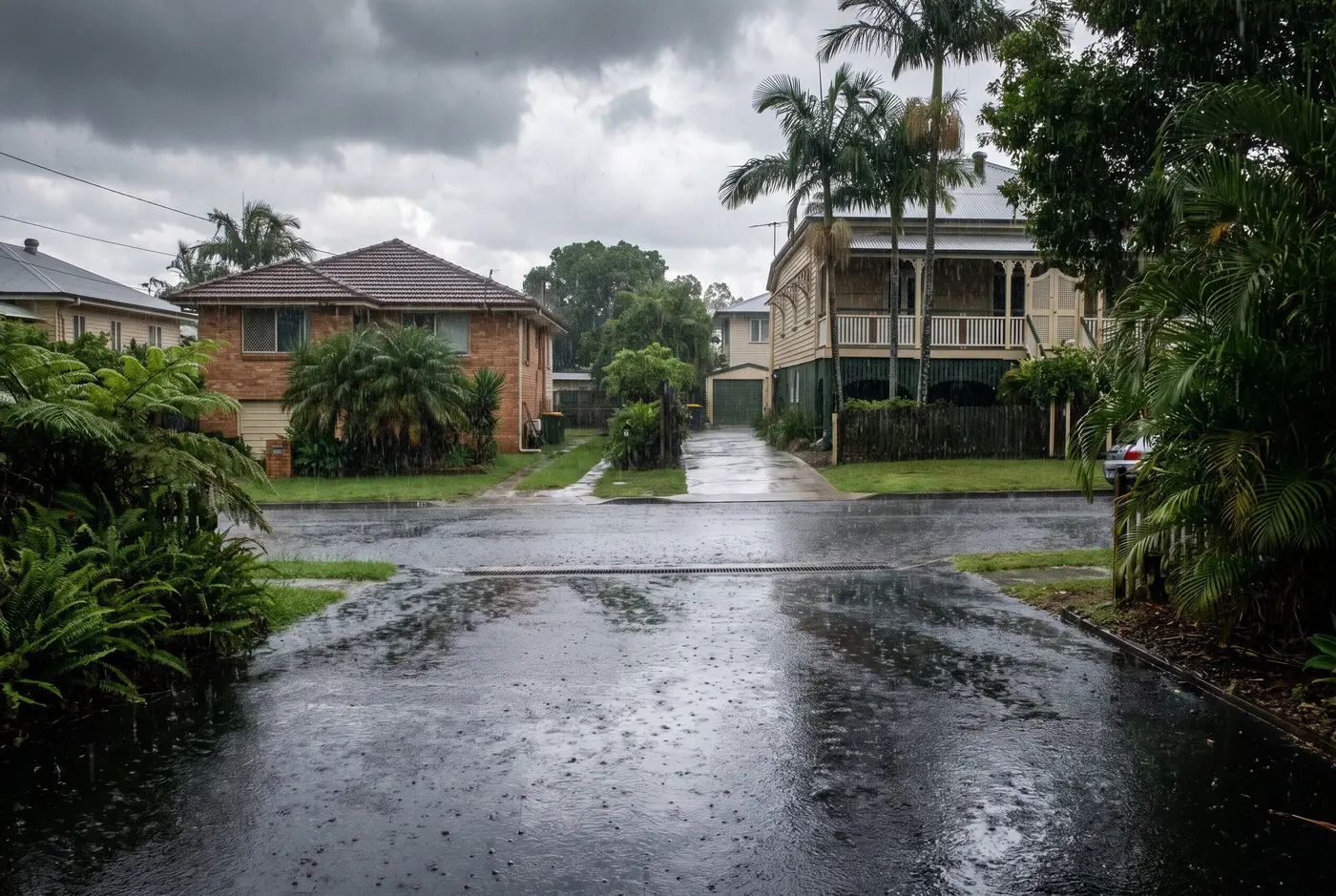
Brisbane's hot summers, high UV, heavy storms and occasional flash flooding all put stress on bitumen driveways in different ways, but regular sealing, good drainage and prompt crack repair go a long way to protecting the surface.
Bitumen driveways are a popular choice for Brisbane homes due to their durability and smooth finish. But the city's subtropical climate, with hot summers, heavy rainfall, high UV exposure, and occasional flooding, can have a noticeable impact on their condition over time. Understanding how weather affects bitumen driveways can help homeowners take practical steps to protect their investment and extend its lifespan.
Heat and UV exposure
Brisbane summers can be intense, with temperatures often exceeding 30 degrees Celsius. Prolonged heat can cause bitumen to soften, making it more susceptible to dents and surface damage from heavy vehicles or high foot traffic. UV rays further compound the problem by breaking down the binder that holds the asphalt together, leading to surface cracking and fading over time.
Practical tip: Applying a protective sealant every few years can help shield your driveway from heat and UV damage while maintaining its dark, polished finish.
Heavy rain and water damage
Brisbane experiences frequent rain, especially during the summer wet season. While bitumen is generally water-resistant, prolonged exposure to standing water can weaken the surface and underlying layers. Poor drainage can lead to puddles forming on low spots, which accelerates erosion and may cause potholes or surface crumbling.
Practical tip: Ensure proper grading and drainage around your driveway to allow water to run off quickly and avoid pooling.
Flooding and erosion
Some areas in Brisbane are prone to flash flooding, which can wash debris onto driveways or even saturate the ground beneath. When the subbase becomes waterlogged, it can compromise the structural integrity of your bitumen driveway, causing uneven surfaces and cracks.
Practical tip: Regular inspections after heavy rain or flooding are important. Minor cracks or dips should be repaired promptly to prevent them from growing into major issues.
Seasonal temperature changes
Brisbane's climate sees noticeable temperature swings between day and night, which can cause bitumen to expand and contract. Over time, this cycle contributes to stress on the surface, resulting in fine cracks that may eventually deepen if left untreated.
Practical tip: Applying crack filler as soon as cracks appear and sealing the driveway periodically helps reduce long-term damage caused by temperature fluctuations.
Maintenance and protection strategies
Weather-related wear is inevitable, but there are practical ways to extend your driveway's lifespan:
- Schedule regular inspections to identify damage early.
- Use sealants to protect against heat, UV, and moisture.
- Keep drainage channels clear to prevent standing water.
- Repair cracks and potholes promptly to prevent further deterioration.
These steps not only maintain your driveway's appearance but also prevent costly repairs in the future. For a deeper look into extending the lifespan of asphalt and bitumen surfaces, check out this detailed guide.
Understanding local conditions
Brisbane's subtropical environment requires a proactive approach to driveway care. By taking into account heat, UV exposure, heavy rain, and potential flooding, homeowners can make informed decisions about maintenance schedules, proactive treatments, and timely repairs. Investing a little effort now can save a significant amount on driveway restoration later.
Weather has a clear impact on the condition and longevity of bitumen driveways in Brisbane. Heat, UV rays, rainfall, and occasional flooding can all contribute to wear if preventive measures are not taken. By understanding these factors and acting accordingly, homeowners can enjoy a smooth, long-lasting driveway that enhances their property's appeal.
Frequently asked questions
How often should I seal my bitumen driveway in Brisbane?
It is generally recommended to apply sealant every 2 to 3 years, depending on traffic levels and exposure to sun and rain.
Can heavy vehicles damage my driveway during summer?
Yes, high temperatures soften bitumen, making it more prone to dents or marks from heavy vehicles.
What is the best way to prevent water damage?
Ensure your driveway has proper drainage and remove standing water quickly after rain.
Are minor cracks dangerous?
While small cracks are not immediately dangerous, they can expand over time and lead to larger repairs if left untreated.
How do I know if flooding has affected my driveway's structure?
Check for uneven surfaces, dips, or new cracks after heavy rain or flooding. Early intervention helps prevent major issues.
Concerned about how Brisbane weather might be affecting your driveway? Get in touch for a free quote and we can take a look.