
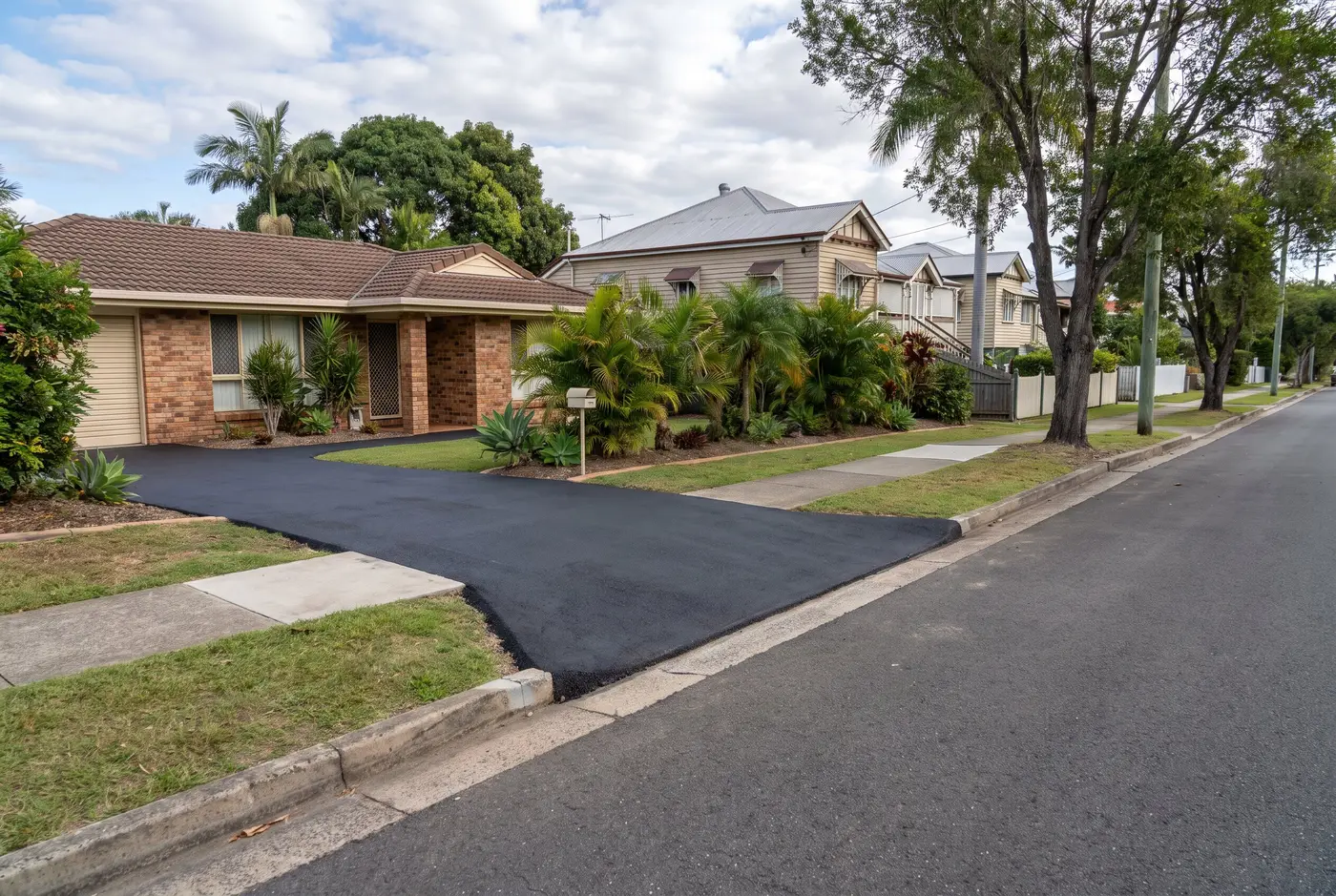
Most new driveways and any work touching the kerb, footpath or nature strip need a Brisbane City Council driveway permit, and the finished job has to meet council rules on width, gradient, drainage and materials.
Building or replacing a driveway in Brisbane is not just a design or budget decision. It also involves meeting local council requirements that keep streets safe, manage stormwater, protect public assets, and maintain consistent access standards across suburbs.
Understanding these requirements early can save time, prevent approval delays, and avoid costly rework. This guide walks through what Brisbane homeowners need to know, from permits and approvals to technical standards and inspections.
Why driveway regulations matter in Brisbane
Driveways connect private property to public roads, footpaths, and kerbs, so council treats them as a shared responsibility. A poorly built driveway can affect pedestrian safety, damage council infrastructure, or cause drainage issues that impact neighbouring properties.
Brisbane City Council uses driveway regulations to make sure access points are safe, durable, and suited to local conditions, and to protect underground services such as stormwater pipes and utilities. Understanding these requirements upfront helps your project run smoothly and avoids compliance issues later.
When council approval is required
Not all driveway work needs formal approval, but many projects do. In Brisbane, council approval is usually required when work affects council land, including footpaths, kerbs, gutters, or nature strips. You will typically need approval for a new driveway where none existed before, or if you are widening an existing driveway, changing its location, or altering the crossover that connects to the road.
Minor repairs within the original footprint may not require approval, but it is always wise to confirm before starting work, since council rules can vary depending on zoning, street type, and proximity to intersections.
Driveway permits and the application process
Brisbane City Council manages driveway approvals through its driveway permit system, which covers the section of driveway that crosses council land, including the kerb and footpath.
The application generally involves site plans showing driveway width, location, materials, and distance from boundaries or intersections, plus details about drainage, slope, and how pedestrian access will be maintained during construction. Processing times can vary, so apply early. Starting work without approval can lead to stop-work notices or fines that delay your project significantly.
Technical standards set by Brisbane City Council
Council technical standards define how driveways must be built to ensure long term safety and performance. These standards cover several key areas.
Driveway width and location
Residential driveway widths are usually limited to maintain on-street parking and pedestrian access, often between three and six metres depending on property type and street classification. Driveways must also be set back a certain distance from intersections, street trees, and power poles to maintain clear sightlines.
Gradient and slope requirements
Council guidelines specify maximum gradients so vehicles can enter and exit safely without scraping or losing control, and so the slope supports proper water runoff without directing water onto paths or neighbouring properties. Steep sites may need transition zones or specialised drainage solutions.
Materials and construction quality
Brisbane City Council requires driveways on council land to use approved materials and construction methods. Concrete and bitumen are commonly accepted, provided they meet thickness and reinforcement requirements and are durable enough to handle vehicle loads and Brisbane's weather. Poor quality materials or shortcuts can result in early failure and compliance issues.
Drainage and stormwater management
Managing water runoff is a major part of driveway compliance. Driveways must not block or alter existing drainage paths in a way that causes pooling or erosion. In some cases council may require spoon drains or other features to direct water safely into the street drainage system, which matters most on sloping sites or areas prone to heavy rainfall during Brisbane's summer storm season.
Safety and accessibility considerations
Council driveway rules also aim to protect pedestrians and cyclists. Footpaths must remain accessible during and after construction, and driveways crossing footpaths must maintain a smooth surface without sudden level changes, which helps prevent trips and allows easier access for prams, wheelchairs, and mobility aids. In busy areas, council may place additional requirements on construction timing or traffic control.
Heritage and special zoning overlays
Some Brisbane properties are affected by heritage overlays or neighbourhood character controls, where driveway construction may need extra assessment to suit the streetscape. This might limit driveway width, material choice, or placement, so check these requirements early if your property falls within a special zone.
Inspections and compliance checks
Once approval is granted, council may inspect the driveway during or after construction to confirm the work matches approved plans and technical standards. If issues are identified, council may require corrections before the driveway can be used. Working with experienced contractors who understand Brisbane council standards helps reduce the risk of failed inspections.
Keeping up with changing driveway standards
Driveway design and construction standards do change over time as council updates guidelines to reflect new safety data, traffic patterns, and urban design trends. For a broader look at how driveway design is evolving across Brisbane, this overview of future-focused driveway trends provides helpful context for homeowners planning long term upgrades.
Planning ahead saves time and money
Driveway projects often look simple at first glance, but council rules add layers that should not be overlooked, from permits and technical standards to drainage and safety. Taking the time to understand Brisbane City Council requirements before work begins helps avoid setbacks and ensures your driveway is safe, durable, and approved without hassle. Meeting council requirements is much easier when you work with a contractor who knows local rules and approval processes, and can help prepare documentation and coordinate inspections from the start.
Frequently asked questions
Do I need council approval to replace my driveway in Brisbane?
If you are replacing a driveway within the same footprint and not affecting council land, approval may not be required. If any part of the work impacts the kerb, footpath, or nature strip, approval is usually needed. Check the current requirements on the Brisbane City Council driveway and crossover pages before you start.
How long does a driveway permit take to be approved?
Approval times vary depending on application detail and council workload. Allow several weeks and apply early to avoid delays.
Can I build my own driveway crossover?
Council generally requires licensed contractors for work on council land. This ensures construction meets safety and technical standards.
What happens if I build a driveway without approval?
Unapproved work can lead to fines, stop-work notices, or orders to remove and rebuild the driveway at your cost.
Are driveway width rules the same across all Brisbane suburbs?
Standards are generally consistent, but local conditions such as street type, traffic volume, and zoning can affect allowable widths.
Planning a compliant driveway in Brisbane? Get in touch for a free quote and we will help you get the details right from the start.