
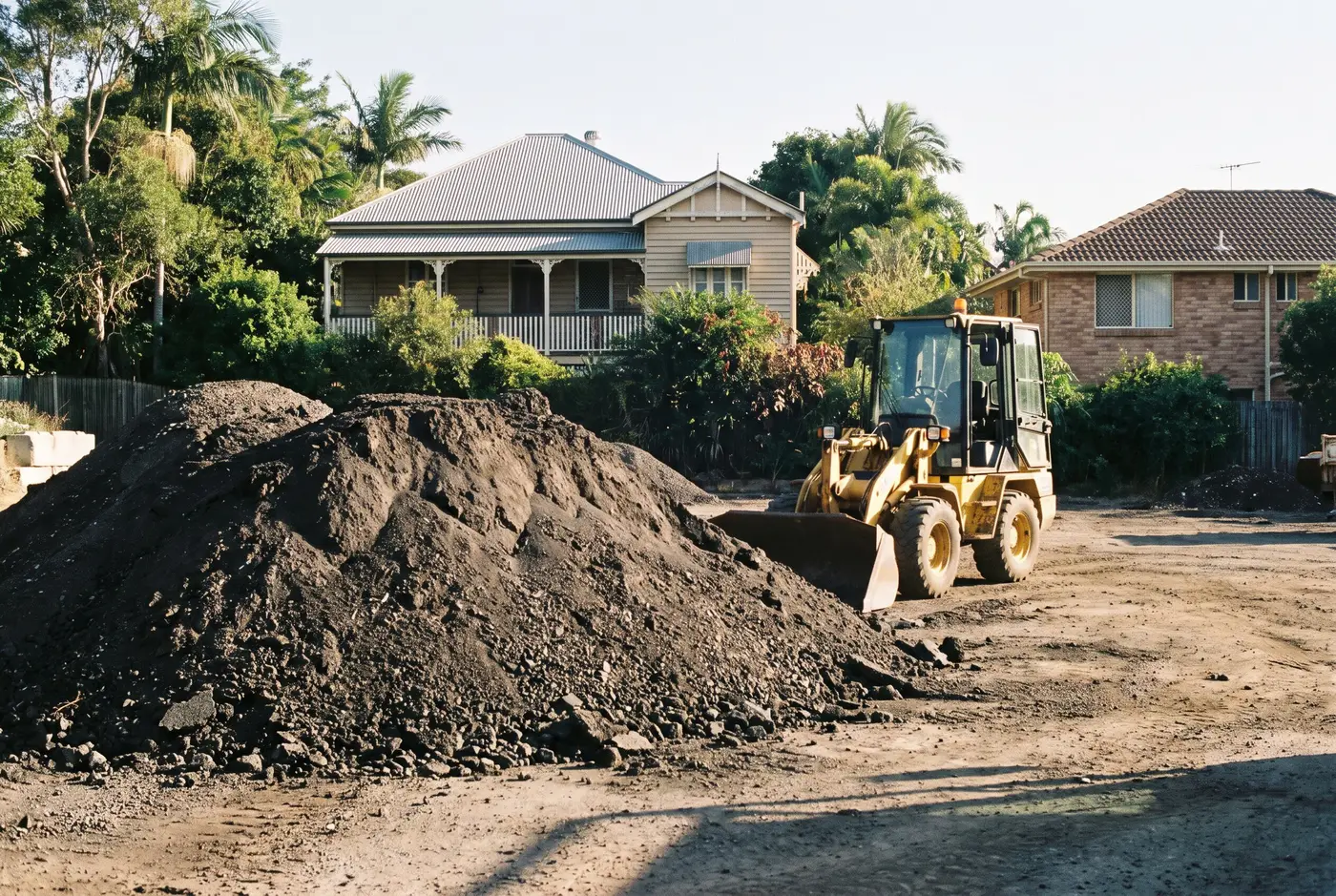
Old bitumen does not need to go to landfill. It can be milled, processed and reused as reclaimed asphalt pavement (RAP) in new driveway mixes, cutting waste and the demand for new raw materials.
Bitumen has a reputation as a hard-wearing, no-nonsense paving material, but it also has an environmental advantage that often goes unmentioned: it is one of the most recyclable construction materials in use today. When a bitumen driveway or road reaches the end of its life, the material does not have to go to landfill. It can be reclaimed, processed, and laid again, reducing the demand for new raw materials and cutting the carbon footprint of road and driveway construction.
For Brisbane homeowners thinking about their environmental impact, this is worth knowing before deciding on driveway materials.
What is reclaimed asphalt pavement?
Reclaimed Asphalt Pavement, commonly referred to as RAP, is the term used for bitumen and aggregate material that has been milled or broken up from an existing surface and processed for reuse. Rather than being discarded, the old material is crushed, screened, and blended with new aggregate and binder to produce a fresh mix suitable for laying as a new surface.
RAP is widely used in road construction across Australia and is increasingly common in residential driveway projects. Mixes incorporating RAP can contain a substantial proportion of recycled material without compromising performance.
How is bitumen recycled?
The recycling process follows a few well-established steps.
1. Milling and collection
A milling machine grinds the existing surface to a set depth, loosening the material into manageable pieces. The milled material is loaded directly into trucks and transported to a processing facility. Milling is precise, which means it removes only what is needed without disturbing the base layers unnecessarily.
2. Processing and grading
At the processing plant, the reclaimed material is crushed if necessary, screened to remove debris, and graded by particle size. Quality testing ensures the recycled aggregate meets the required specifications before it is incorporated into a new mix.
3. Blending into new mixes
The processed RAP is blended with virgin aggregate and fresh bitumen binder at a hot mix asphalt plant. The proportion of recycled material is carefully controlled to ensure the finished product performs to specification. In some cases, a rejuvenating agent is added to restore the properties of the aged binder.
4. Laying the recycled mix
The blended mix is delivered hot to site and laid in the same way as a conventional bitumen surface. Once compacted and cooled, a surface incorporating RAP is visually indistinguishable from one made with entirely new material.
In-place recycling: another option
In-place recycling takes the concept further by processing the existing surface on site rather than transporting material to a plant. The existing bitumen is heated, scarified, and re-compacted with or without the addition of new binder. This approach eliminates most of the transport involved and is particularly efficient for larger driveways or access roads.
Not all sites are suitable for in-place recycling, but where conditions allow, it offers a low-waste outcome with less disruption to the property.
Environmental benefits of recycling bitumen
Using recycled bitumen in new driveway construction delivers real environmental benefits:
- Reduced landfill. Old bitumen that would otherwise go to waste is diverted back into the supply chain.
- Lower demand for virgin materials. Recycling reduces the need to quarry new aggregate.
- Lower energy consumption. Producing a mix with RAP typically requires less energy than an equivalent all-virgin mix.
- Reduced carbon emissions. Fewer raw materials and less processing translates to a lower overall carbon footprint.
- Shorter transport distances. Using reclaimed material from local sites reduces the distance materials travel.
How long does bitumen last before it needs recycling?
A well-installed residential bitumen driveway in Brisbane commonly lasts 15 to 20 years with reasonable maintenance, and some well-maintained surfaces run longer again. Regular resurfacing extends that lifespan before full replacement or recycling becomes necessary.
For practical guidance on extending the life of your bitumen surface, specialist services such as maintenance, resurfacing and surface treatments can defer the need for a full replacement, which is the more sustainable choice in most cases.
Is bitumen a good choice for eco-conscious Brisbane homeowners?
Compared with concrete, which requires significant energy to produce and cannot be recycled in the same way, bitumen has a strong environmental case. It is fully recyclable, can be relaid multiple times, and does not require demolition and disposal in the same sense as other materials. Choosing a contractor who uses RAP in their mixes, or who can arrange for your old driveway material to be recycled rather than landfilled, is a practical way to reduce the environmental impact of your project.
Frequently asked questions
Does recycled bitumen perform as well as new material?
Yes, when the mix design and proportion of RAP are managed correctly by an experienced contractor, a driveway built with recycled bitumen performs to the same standard as one built entirely from new material.
Can I request recycled content in my driveway quote?
You can ask your contractor whether they use RAP in their mixes and whether they can arrange recycling of your existing surface rather than sending it to landfill.
Is bitumen more sustainable than concrete for driveways?
Bitumen has an advantage in that it is fully recyclable and can be relaid, while concrete is far harder to recycle and more energy intensive to produce from scratch.
If you are planning a new driveway or resurfacing project and want to minimise waste, get in touch for a free quote and we can talk you through recycled mix options for your Brisbane property.