
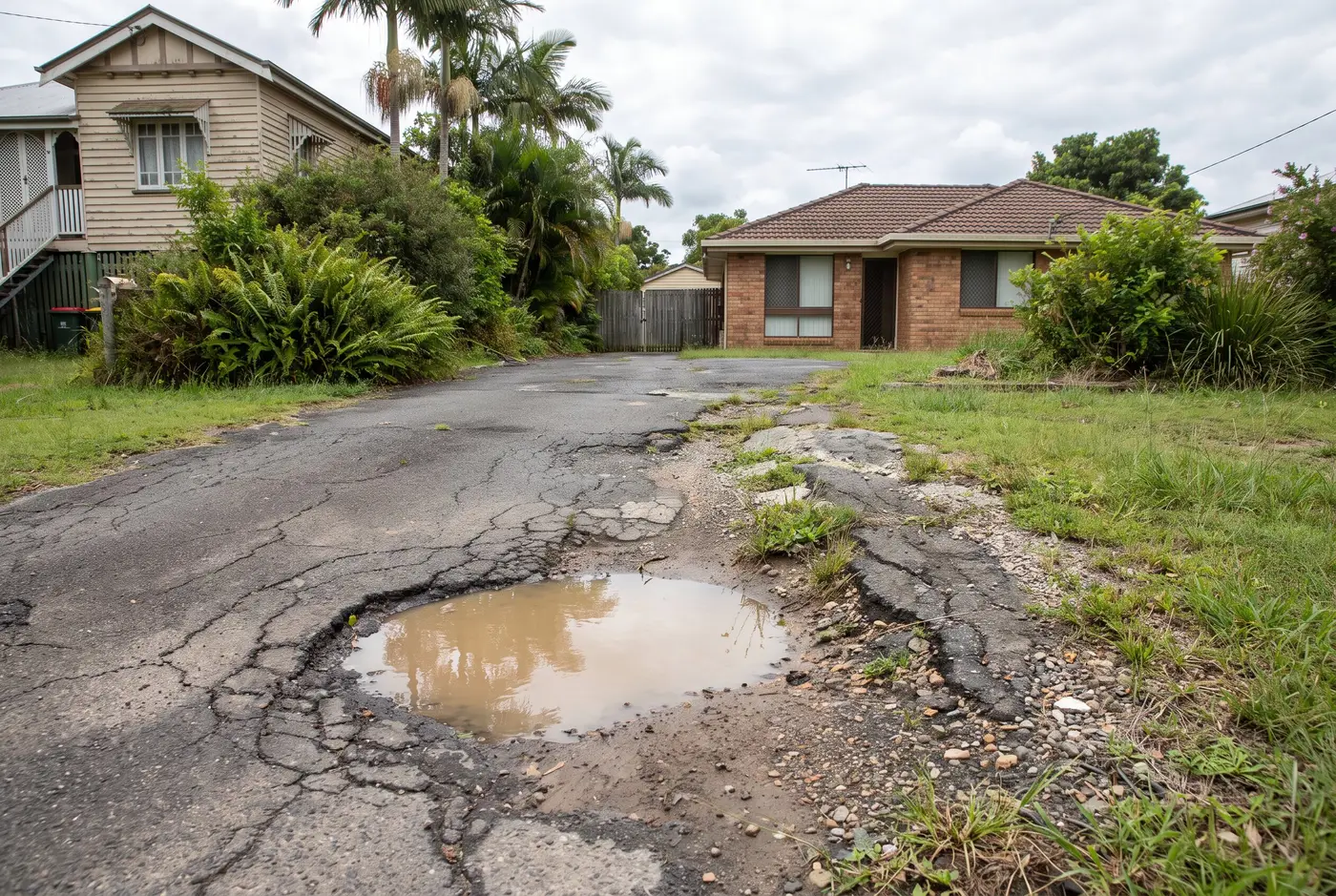
Most bitumen driveway problems trace back to poor site preparation, drainage or installation timing, all of which are avoidable with the right planning and a qualified installer.
Installing a bitumen driveway is a smart investment that adds durability and value to your property, but it's a process that needs careful planning and execution. Many homeowners make avoidable mistakes that shorten the lifespan of their driveway, create ongoing maintenance issues, or lead to costly repairs. With the right approach and professional guidance, these pitfalls are easy to avoid.
Choosing the right materials and preparation
Getting the basics right starts with understanding the materials and groundwork involved. A bitumen driveway depends on a strong foundation and a high-quality bitumen mix for long-term performance.
A common mistake is choosing low-quality materials. Inferior bitumen or aggregate can lead to premature cracking, surface wear and a driveway that deteriorates faster than it should. Prioritising good materials protects your investment and gives a more durable, resilient finish.
Proper site preparation is just as important. The surface needs to be cleared, levelled and compacted correctly before any bitumen goes down. Rushing or skipping this step leads to instability, uneven surfaces and pooling water, all of which shorten the driveway's life.
Avoiding drainage and grading issues
Drainage and grading are two of the most commonly overlooked parts of a driveway project. Without the correct fall, water won't flow away from the property, leading to standing water, erosion and structural damage over time.
Incorrect grading can also create uneven areas that quickly develop potholes or cracks under vehicle traffic. A professional approach makes sure the subgrade, the soil base beneath the driveway, is shaped to promote effective runoff.
Effective drainage prevents moisture pooling under the surface, which is one of the most common causes of material weakening and costly repairs. Drainage deserves priority before any bitumen goes down, not an afterthought once the surface is laid.
The importance of expert installation
Trying to install a bitumen driveway without professional help is another common mistake. Bitumen requires specific techniques and machinery for heating, spreading and compaction, and it's easy to make mistakes that compromise the integrity of the surface without that experience.
Compaction has to be consistent and correct. When layers aren't compacted properly, air pockets remain, leading to surface deformation and faster wear. Experienced installers understand the nuances of compression and finishing that separate a driveway that lasts from one that doesn't. Professionals also tend to have access to better equipment and materials than a DIY approach can match, which helps prevent errors that might otherwise go unnoticed until costly repairs are needed.
Timing, temperature and weather
Bitumen installation is sensitive to weather and temperature. Laying bitumen when it's too cold or too hot affects how well it bonds and cures. If it cools too fast, it won't compact properly; if it's overheated, it can soften excessively and deform under pressure.
Planning your installation for favourable weather matters. Rain, extreme heat or a sudden temperature drop can all affect the outcome, leading to cracks or a weaker driveway structure. Experienced contractors keep a close eye on weather and temperature to pick the right window for installation, adapting their process so the driveway cures properly and performs well through changing conditions.
Planning for maintenance and longevity
Even after installation, a bitumen driveway needs regular maintenance to stay in good condition. Sealing cracks, clearing debris and reapplying protective coatings when needed all extend the life of the driveway and keep it looking its best.
Neglecting maintenance is a mistake plenty of homeowners make. Over time, bitumen wears and starts to show damage, and prompt attention to small issues stops them becoming major problems. Planning for maintenance from the outset means you're prepared for the long haul, keeping the driveway strong and functional for years.
Working with the right team
By focusing on correct preparation, quality materials, expert installation and ongoing maintenance, you sidestep the costly errors that shorten a driveway's life. If you're planning a new bitumen driveway in Brisbane, get a free quote and we'll walk you through what a well-built driveway involves for your property.
Frequently asked questions
What is the biggest mistake when installing a bitumen driveway?
Inadequate base preparation is one of the most common mistakes, and it leads to instability and early deterioration.
How long should a bitumen driveway last?
With proper installation and maintenance, a bitumen driveway commonly lasts 15 to 20 years or more.
Can owners install bitumen themselves?
DIY installation isn't recommended. Bitumen needs specialised equipment and experience to compact and finish correctly.
Why is drainage so important?
Effective drainage prevents water pooling, which weakens bitumen surfaces from below and leads to cracking.
How often should a bitumen driveway be maintained?
Regular inspections and maintenance, including sealing as needed every few years, help prolong lifespan and performance.